**Diving into Real-Time Strategy Games: Beyond PC Story Mode Gaming**

The Appeal Lies Not Just in Victory, but Strategy Depth
What sets apart RTS titles is their layered gameplay structure. Players often juggle economy management (resources gathering), military production (*build armies quickly yet economically*), scouting opponents (spying with invisible scouts), and timing precise strikes. That’s no easy feat under pressure—something both veterans and newcomers appreciate. Consider classic examples like *Command & Conquer*, *StarCraft II,* or even mobile entries that emulate this model effectively (*Goblin King,* for example). This complexity makes them attractive among not just young male audiences—but adults looking for mental engagement, challenge, and yes… sometimes, a dopamine rush after securing an *unfair comeback victory* against tough AI bots or seasoned rivals. | Platform Preference | Top Choice | Why Picked It | |------------------------|------------------|----------------------------------------| | PC | Age of Empires III | Depth + mods | | Console (Switch) | Wargroove | Easy-to-learn tactics | | Mobile | Clash Royale | Bite-sized competitive fights |Quick Tip 💡 : A strong opening rush isn't just about raw attack power — it's knowing when, where and how to allocate limited assets efficiently.
---Gameplay Styles That Shape Your Experience in RTS
One thing that distinguishes great RTS from mediocre titles lies in **playable factions** or units that encourage varied strategies. For instance: ✅ In some games like Rise of Nations, fast economic expansion defines winners more than raw aggression. ⛔ Whereas in Total Annihilation clones, micromanagement dominates. Each requires different playstyles, which helps **cater a broader playerbase across Sweden**, Europe — and indeed, globally. Let’s take a look at a typical **RTS gameplay flow**: **Start of the match**: Gathering resources rapidly. Build supply chains early — don’t stall here. **Early game**: Scouting is crucial; learn what your rival plans next. Maybe go all-in — or build defense depending on findings. **Mid-game**: Tech trees become available. Research matters — so decide if upgrading unit damage is better now, over creating 3 extra soldiers? By Late Game: It becomes more than who built larger — it's **execution of large-scale combat** paired clever logistics. And guess what? These stages are where skill shines through beyond just gear.Don’t rely on RNG luck forever; smart resource distribution pays way better returns long term.
---Creative Blending: How RPG Switch Games Integrate Strategic Layering
Here’s an emerging twist: *what happens when developers start adding storytelling hooks from rpg switch games into real time tactics engines?* Titles like *Wargroove, Battle Brothers or even Warship Craft Legends* incorporate branching paths into battles, unique unit upgrades influenced via side quest-like events, and rich lore progression trees akin to fantasy JRPGs. This adds emotional depth without breaking speed dynamics. Think less like *"final fantasy tactical"* and blend aspects more with a fast paced map rotation format seen in e-sports arenas. This approach keeps the core RTS pacing **tight as hell**, while allowing room for personal growth of individual squad leaders within missions. Such games can easily be called “the gateway drug" for gamers not used to complex micro/macro controls. So, is mixing *rts mechanics with role-playing layers* actually good business? Well… 📈 Market trends in 2024 suggest a growing audience in **narrative-driven hybrids**—especially for handheld players using platforms such as the **Nintendo Switch**, ideal during short commute sessions. Players crave not just victories—but meaning behind every mission they choose to embark on. ---Balancing Speed and Tactics Is Key
Let’s break it down — there’s more than instinct behind mastering an intense round of *Red Alert* or *Hearthstone Battlegrounds.* To thrive amidst chaos, you’ll have to train muscle reflexes **alongside analytical skills** consistently. Here's how the elite do it: 1. 📊 Use keyboard shortcuts to execute builds/attacks faster 2. ⏱️ Maintain multi-task rhythm – gather minerals, manage units & track opponent simultaneously 3. 🧠 Study enemy openings to recognize patterns and adapt quickly A big lesson I've learned after dozens of humiliating losses in Starcraft II ranked leagues: always **prepare a contingency tactic plan B**, preferably before reaching late mid-game (where most collapses originate). Even if things aren’t optimal, having alternative structures ready to fall back on drastically reduces chances of collapse when blindsided. That, or invest heavily upfront in recon units capable of giving earlier warnings before major invasions commence... | Mistake | Rookie Impact | Elite Fix | |------------------|--------------------------|-------------------------------| | Overcommit | Entire army eliminated | Pull forces gradually | | No scouting | Gets flanked blind-side | Rotate view regularly + place spies | | Unprotected econ | Harass cripples output | Add defensive towers/caches nearby |*You're playing aggressively, yes—but only when your economy can back it up.* Always assess risk versus possible return. Otherwise… expect swift counter attacks that’ll ruin weeks of planning. Sad truth: it happened to me more times than comfortable counting aloud...









Pulling off Massive Multi-unit Battles Like Pro Players
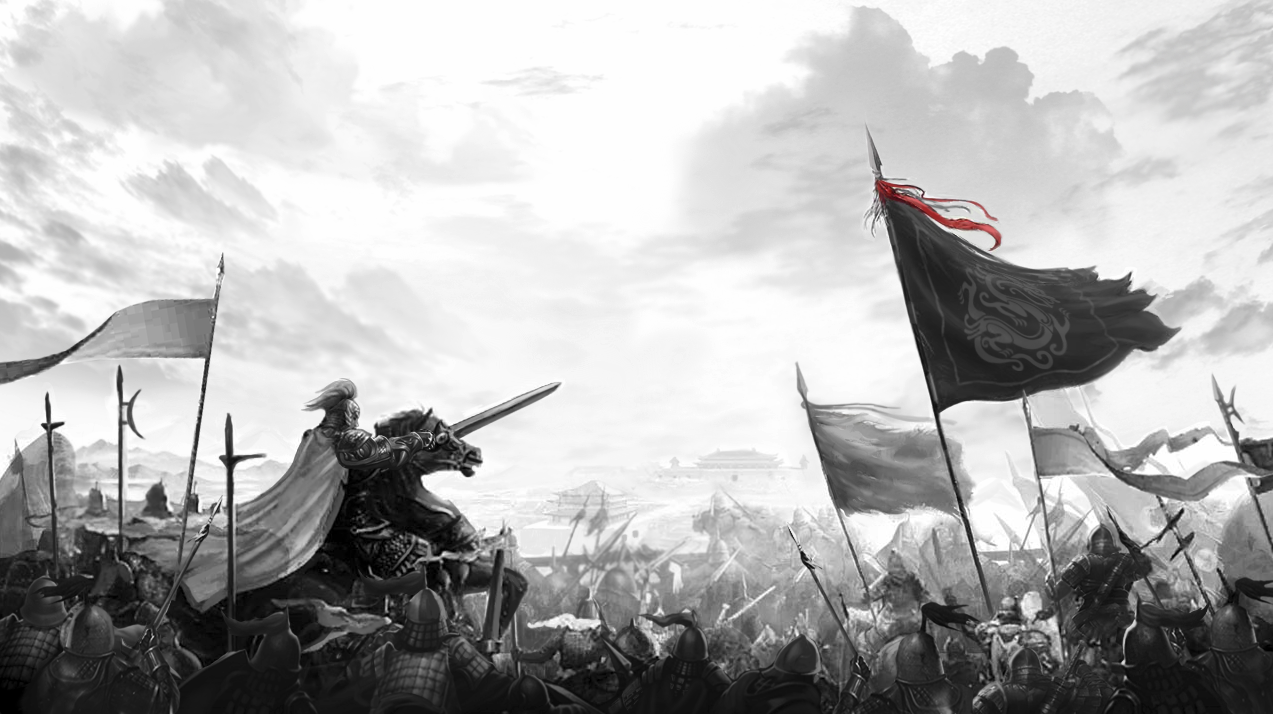
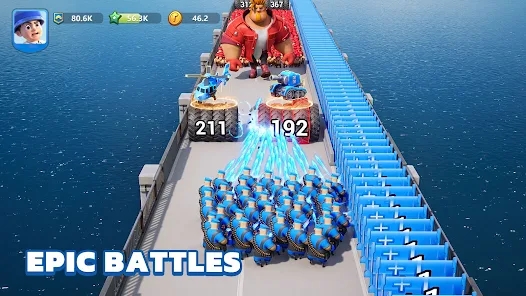
Big engagements in *RTS* often define who walks home the hero — or gets mocked at on Reddit. But here's something you might not expect... many top players swear that **micromanaging isn’t just about splitting forces willy-nilly in chaotic swarms.** The key: use hotkeys religiously — never click everything manually. Another secret: grouping different units properly (by category — e.g., tanks + medics; foot soldiers grouped away from cavalry units) lets you toggle fire between threats instantly rather than waiting several seconds to click each individually. Every second counts when the battlefield goes nuts and units begin dropping like flies... Let’s look closer at the techniques professionals swear by when facing off against well-timed rushers or full-out mech assaults: 🟩 Spread out vulnerable units: If someone deploys napalm launchers, keeping fragile healbots too close together will mean one hit wipe. Position spread! 🟡 Avoid terrain bottlenecks: If choke points appear in map layout, consider building static defences there *and stationing backup squads near alternate escape exits.* 🔴 Don’t lose focus when fighting: While managing frontlines, remember workers still collect money behind enemy lines! Pause nothing. Everything runs 24/7 unless ordered. Master these principles, practice daily and you’ll be amazed by your improvement curve—even if starting at Bronze level. ---| Micromanagement Skill | Novice Level | Expert Performance |
|---|---|---|
| Tactical movement | Clumpy and unstructured groups | Sectorized, controlled advances |
| Kiting / dodging ranged fire | Fails entirely; stands ground | Slows pace, pulls units away until cooldown |
| Damaged unit preservation | Loses half HP teams immediately | Retrieves low-hps ones, heals/replaces wisely |
Achieving Fast Turnarounds After Early Game Disasters
Alright—you started strong in that skirmish... then BAM—ambushed before your tech could evolve from Stone age weaponry. Now what? Many quit right then, blaming unfairness or RNG. Not you. Let’s fix the scenario together, step-by-step: ✅ Immediately reassess your economy. Reassign surviving builders. Focus first and foremost on rebuilding base defense. Then rebuild barracks/factory. Do this **before attacking again** unless your enemy shows glaring weaknesses. Then—focus your efforts. Go guerrilla-style, hit small bases hard and often while you grow stronger. You might win with sheer persistence instead of overwhelming firepower—if you play smarter from there. And always stay connected online—it's not uncommon to see rival commanders make costly mistakes if caught overly ambitious themselves while you’re rebuilding unnoticed. Sometimes... all hope rests in being opportunistic. Watch them get cocky. That's usually when things spiral. Keep tabs on global chatter in live games too; rumors about massive offensives can give valuable info when rethinking your comeback strategy post-disaster. Just because *you lost the early rounds*, doesn’t mean the war ends today. Never forget: the best generals aren't always those ahead at minute 3—they’re those adapting fastest when pushed hardest. ---Gear Up: Best Set-ups Enhance Your RTB Abilities (Real Time Battles)
It’s not enough anymore to simply sit on outdated mouse hardware with sluggish laggy displays while others are gaming like pro players on smooth mechanical rigs. If climbing ranks feels frustrating despite constant practice—maybe it’s not **lack of skill**, maybe your peripherals lack the edge. Here’s the deal — latency kills momentum dead cold in multiplayer battles where reaction times are tight. Invest time in setting up a clean environment for execution-heavy gameplay sequences. Top gear to consider if you want better precision and control:- High-DPI wireless gaming mouse
- Keyboard with custom bindable side keys (essential for quickbuild menus!)
- Razer Kraken or Steelseries headset for clear comms/audio queue spotting
- An SSD upgrade if running from spinning drives (cuts boot times significantly, plus texture loading delays)