Exploring the Depths of Adventure Games and Beyond
Welcome to your all-encompassing guide on adventure games — whether it's about embarking on solo journeys or navigating through epic narratives, we've gathered the essential details to keep every kind of explorer engaged, entertained, and challenged. This guide dives into the mechanics of popular genres like *clans of clash* games and The Game of Thrones RPG experiences. From hidden treasures in mobile quests to immersive worlds on consoles, you won’t miss out.
---From Puzzle Boxes to Interactive Narratives: The Evolution of Adventure Titles
- Early adventure games were rooted in text-based formats where imagination ruled supreme.
- As time passed, pixel graphics transformed how gamers saw virtual stories.
- Latter day adventures mix puzzle-solving with high stakes decision making – blending player agency within richly woven settings.
- Tales often carry consequences for decisions — something players crave these days especially in narrative-rich RPG experiences like *The Game of Thrones themed titles.*

---
A Brief Dive into How RPG Elements Shape Story-Driven Gaming
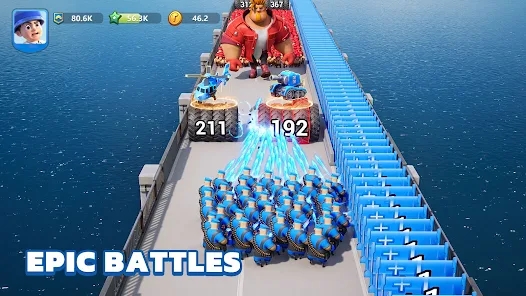
Gaming has gone far beyond simple arcade challenges. Take for instance games from Clash of Clans-type setups. Strategy meets creativity when building clans and planning conquests while balancing real-world time constraints like resource gathering. These game modes often feature cooperative gameplay across different realms and encourage group thinking over brute strength alone — which makes them more dynamic than classic action-heavy counterparts. In this sense, RPGs are reshaping modern engagement strategies for gamers globally, especially those interested in strategic progression models.
| Type of Game | Key Mechanic Involved | Notable Examples |
|---|---|---|
| RPG / Adventure | Quests and narrative arcs shaped by player decisions. | The Witcher, Skyrim |
| Strategy Based | Cooperation + competition dynamics; clan warfare scenarios. | Clash of Clans, Civilization |
| Theatrical Roleplay | Sets & lore based storytelling driven largely via dialogue. | King’s Quest, Larian's Baldur’s Gate 3. |
| Puzzle / Mystery Oriented | Enigmatic clues, logic, environmental problem-solving required | Machinarium, Broken Age |
What Makes A Good Clans and Combat Focused Experience?
We live in an era packed with war-like simulations. Not just battles against AI armies — now clans matter more than ever, shaping not only the pace but depth of progression in titles that center on global multiplayer showdowns. Ever since **Warframe, and early MMORPG builds made cohabitated play possible (read clan-building inevitable), players gravitated toward structured communities even when playing in offline or semi-cooperatively driven campaigns.
If you've got aspirations for building empires with fellow strategists across servers in games inspired by the clash and castle theme - then here are few elements to check off if looking at quality games offering long term satisfaction:
- Battle structures should be easy to plan and visualize without lagging gameplay loops.
- Upgrading should allow personal preferences, meaning aesthetics aren’t overshadowed entirely by stat boosting functions.
- Alliance systems should offer actual collaboration bonuses, not simply act as friend lists that can chat but lack deeper impact on outcomes.
- Raid or invasion systems must feel rewarding enough compared to individual grind paths otherwise motivation wanes fast
Bridging Emotions With Action in Narrative Driven Gaming: GoT Inspired Examples Included
There exists that special breed of adventure enthusiasts—ones who demand deep emotional layers alongside interactive plot developments. And that’s exactly why so many still reminisce about Westeros' legacy in the *Game Of Thrones* roleplaying titles that followed the cult series. Unlike generic battle-centric games that lean mostly into fast paced encounters, these titles took players on emotional rides tied closely to their character choices — and that created massive loyalty amongst users. Whether defending honor, seeking revenge for betrayal, managing fealties under political intrigue - everything was designed to pull heartstrings. That is a powerful thing!
To put this in contrast with simpler titles, here’s the difference between casual puzzle solving and emotionally engaging quests:
Difference Chart Below:| Narrative Driven | Casual/Puzle Style Games |
|---|---|
| You are the main actor — the decisions directly affect multiple plot threads | Main tasks include collecting objects, decipher codes without moral dilemmas. |
Games in this category often blur fantasy life boundaries too - allowing users to project aspects of their personalities onto characters while exploring alternate identities through branching choices.
Interesting fact: Did yopu know some people develop entire parallal relationships while embodying digital personas? It can get surprisingly intense. Some researchers even suggest that RPG-driven interactions help simulate complex psychological environments in ways board-games couldn't. But perhaps that deserves its own segment below later in “Impact of Deep Engagement in Virtual Adventures.