The Alchemy of Puzzle Games: A Cognitive Odyssey
In an era defined by rapid cognition and digital overwhelm, the **game** remains an elegant counterpoint — not mere diversion, but a cerebral playground sculpted for those willing to decode its subtleties. As we step into 2024, a new constellation of addictive puzzle games is rising like stars in the twilight of our minds, daring us to challenge our neural pathways. Each **puzzle game**, a quiet rebellion against superficial swipes and mindless tapping. These are not simple diversions; they're mental crucibles where logic simmers alongside insight. Within them lurks the alchemical potential to reshape memory, heighten focus, and refine strategic thinking—all beneath surfaces that seem almost playful, almost innocent.| Position | Game Name | Cognitive Benefit |
|---|---|---|
| #3 | Mindscape Peaks | Spatial reasoning |
| #6 | Numerix Reverie | Pattern Recognition |
Interestingly enough, amidst sprawling titles promising cognitive revolutions, it's often the unassuming eA Sports FC 24 Support-like interfaces that surprise most with their hidden layers.









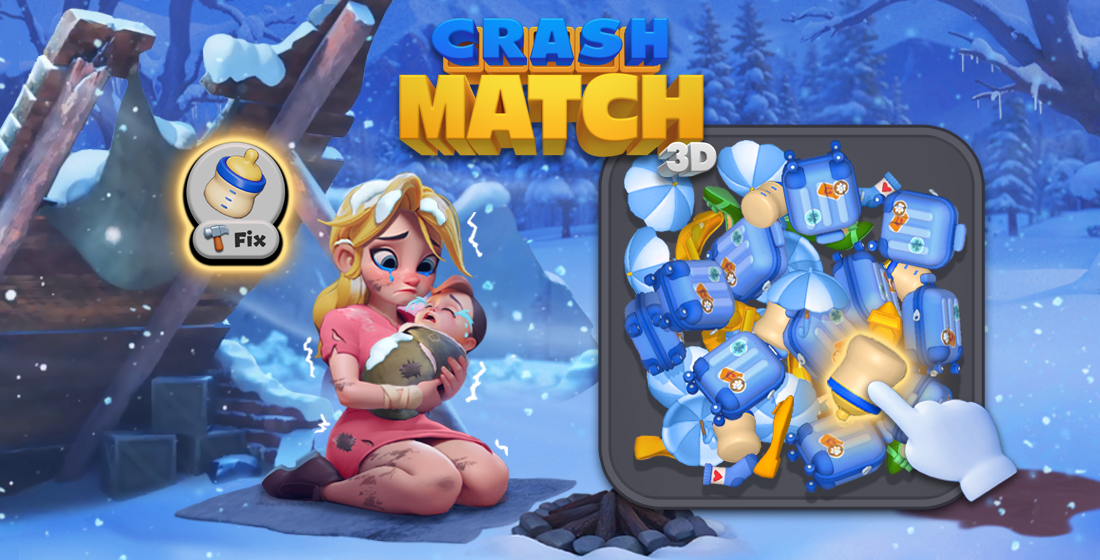

Elegy in Game Design
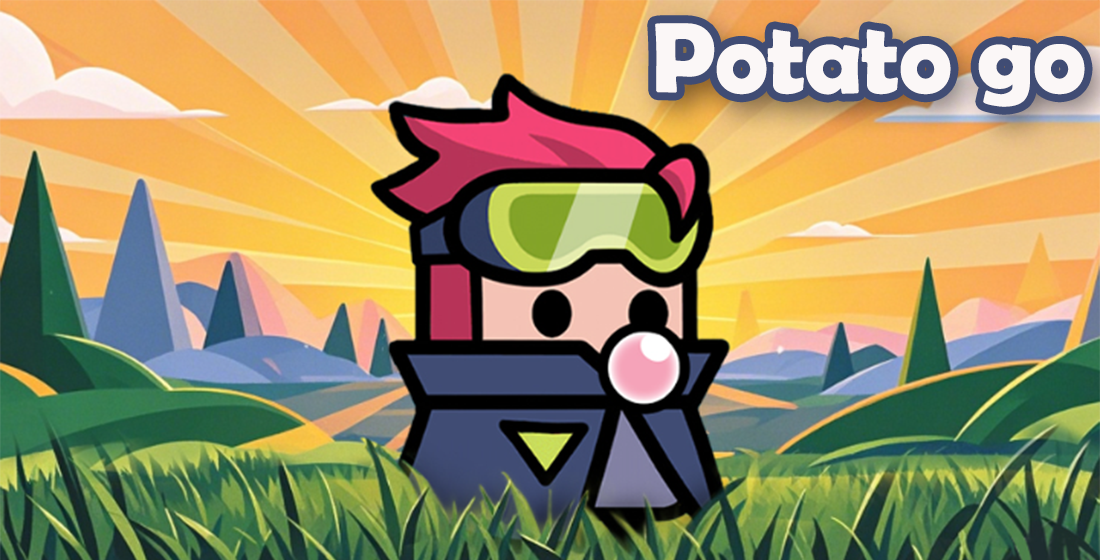
Let me speak of rhythm. In some corners of Turkmenistan’s (apologies) night markets and dusty internet cafés, you find players—curious ones—with fingers tracing arcs across glowing screens, whispering solutions only to themselves before executing moves in perfect silence. Puzzle games are the haiku of modern code. Take for instance this obscure chip and potato game, where one rearranges fried shapes into symmetrical constellations—a bizarrely effective training ground not just for visual sequencing, but also a curious form of emotional balance between chaos and control.- Riddles that mimic ancient myth
- Mazes built from forgotten histories
- Number lattices inspired by Persian art
Unfurling Consciousness Through Play
To enter some **games**, like “The Silent Cipher", feels not unlike walking through library vaults where each book speaks a different dialect of thought. They test you, yes—but more profoundly: They *remold*. With every tap or tilt, the boundaries of attention loosen gently. Key benefits unearthed in recent cognitive mapping trials include:✔ Enhanced executive functioning through minimalist prompts ✔ Increased resilience to sensory overload ✘ Unexpected decrease in stress biomarkers One should tread lightly with terms like “enhancement," though. These experiences aren’t about climbing intellectual ladders faster—they’re about seeing ladders themselves with fresh curiosity. Consider the subtle irony in **puzzle gaming**: Its practitioners are rewarded not when the solution reveals itself—but in those fleeting moments right before it appears. A pause in the storm of neurons—an opening door that had no hinges.